Story: The Mining Project without Rail Capacity
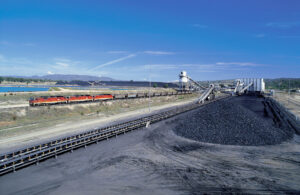 An Australian coal mining company were expanding their mine and required additional rail capacity to meet the production of their expansion.
Something went wrong in the procurement process and they ended up securing a take-or-pay arrangement for capacity less than planned. There were no provisions for variability of production.
The result was that they were stuck with a expensive choice:
a) Stop coal mining for a whole month of the year (at a cost of $1M / day) or
b) Negotiate with the rail company with them knowing full well that you don’t have any other choice.
What went wrong? A lack of alignment between procurement decisions and the project’s operational realities.
In major infrastructure projects, delays, cost overruns, and operational misalignment are all too common.
Experienced procurement teams play a critical role in driving project success by quickly identifying risks, closing gaps, and delivering immediate value.
Here are three key areas where their expertise makes the biggest difference:
1. Testing Historic Assumptions (Pricing, Lead Times, etc.)
Infrastructure projects often take years to progress from planning to procurement. During this time, a significant number of assumptions—pricing, lead times, contract terms, and labor availability—are made and locked into budgets and schedules. However, markets change dramatically, and assumptions that were valid years ago may no longer hold true.
Experienced procurement teams proactively validate these assumptions early by engaging suppliers, analyzing real-time market data, and assessing critical variables. For example:
- Prices for materials like steel or concrete may have increased significantly.
- Labor shortages might extend lead times or raise costs.
- Market expectations around contract terms, such as risk-sharing or payment schedules, may have evolved.
By addressing these issues before going to market with a formal tender, procurement teams avoid cost blowouts, supply shortages, and delays. This proactive step ensures budgets remain realistic and procurement strategies align with current market realities.
2. Avoiding Over-Engineered Specifications
Over-engineering can plague infrastructure projects, leading to unnecessary costs, complexity, and risks. As Elon Musk famously pointed out, leaving engineers to their own devices often results in reworking components that don’t need it—introducing additional failure points, delays, and expenses.
Experienced procurement teams challenge specifications by asking:
“Does an off-the-shelf solution already exist, and will it meet 80% or more of the project’s requirements?”
By prioritizing practicality over perfection, procurement teams prevent scope creep and costly redesigns. For example, standardized equipment or components often perform just as well as bespoke solutions but:
- Reduce procurement timelines,
- Lower costs, and
- Simplify maintenance and operations long term.
This approach ensures the project remains efficient, effective, and aligned with its goals.
3. Approvals: Starting with the End in Mind
Approvals are often treated as an afterthought in the procurement process, addressed only at the final stage. However, by then, it’s often too late to make meaningful adjustments without significant disruption to budgets and schedules.
Experienced procurement teams adopt a risk-based approach, identifying approval, operational, and compliance risks early in the journey. This ensures that:
- Stakeholder approvals align with procurement and project milestones,
- Regulatory and compliance requirements are met, and
- Operational risks, such as safety or environmental concerns, are addressed upfront.
By starting with the end in mind, procurement teams ensure a smoother, more efficient process, avoiding costly last-minute delays and securing stakeholder confidence.
Conclusion
In high-stakes infrastructure projects, experienced procurement teams deliver immediate value by testing outdated assumptions, preventing unnecessary complexity, and aligning approvals with project goals.
Their proactive approach ensures projects remain on budget, on schedule, and operationally aligned—safeguarding success in an increasingly challenging and competitive environment.

Procurement: The Missing Link to Project Success
Every year, Australian infrastructure projects lose millions to preventable procurement mistakes—are you at risk?
For senior project managers, the hidden danger isn’t just in unforeseen delays or cost blowouts. It often lies in a poorly equipped procurement function.

FREE Checklist:
Commercial & Procurement Readiness for Projects
Struggling to keep your project on track? Our Commercial & Procurement Readiness Checklist gives you the clarity and confidence to avoid costly mistakes.
Streamline planning, approvals, and supplier engagement so you can deliver on time and within budget.
Download it now and set your project up for success!

Your Partner in Procurement for Australian Infrastructure Projects
Our team brings over 15 years of experience in procurement, with strong commercial and operational expertise.
We help clients navigate complex infrastructure projects by identifying risks early, optimizing contracts, and aligning procurement with project goals.
Our hands-on experience ensures smarter decisions, reduced costs, and better outcomes—every time.