Story: The Mining Project without Rail Capacity
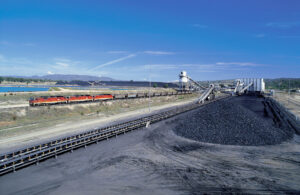 An Australian coal mining company were expanding their mine and required additional rail capacity to meet the production of their expansion.
Something went wrong in the procurement process and they ended up securing a take-or-pay arrangement for capacity less than planned. There were no provisions for variability of production.
The result was that they were stuck with a expensive choice:
a) Stop coal mining for a whole month of the year (at a cost of $1M / day) or
b) Negotiate with the rail company with them knowing full well that you don’t have any other choice.
What went wrong? A lack of alignment between procurement decisions and the project’s operational realities.
When procurement is treated as a back-office function, the consequences for infrastructure projects can be severe and far-reaching.
Infrastructure projects are complex, high-value undertakings where even small missteps can lead to significant financial, operational, and reputational impacts.
Underinvesting in procurement often results in avoidable challenges that derail project success.
1. Poor Supplier Selection Leads to Misaligned Contracts
Without the right procurement expertise, suppliers are often chosen based on short-term cost savings or incomplete assessments. This can result in contracts that fail to align with the project’s operational and commercial realities. For example, suppliers may lack the capacity to deliver on time, fail to meet quality standards, or struggle to adapt to project changes. These misalignments create disputes, delays, and costly contract variations that could have been avoided with a more strategic approach to procurement.
2. Inefficient Processes Disrupt Timelines and Inflate Costs
Infrastructure projects operate on tight schedules, where any delay in procurement processes can have a cascading effect across the entire project timeline. Underinvestment in procurement often means outdated systems, inadequate resources, and poorly defined processes that slow down supplier selection, contract approvals, and purchase orders. As a result, materials and services may not arrive when needed, forcing projects to incur additional costs for expedited shipping, rework, or temporary solutions to keep the project moving.
3. Missed Opportunities for Strategic Cost Savings
Procurement isn’t just about buying—it’s about creating value. Underinvestment means procurement teams often lack the tools, expertise, or capacity to identify and deliver strategic cost savings. Instead of optimizing long-term value through innovative commercial models, supplier partnerships, or cost-reduction initiatives, decisions are made in silos with little alignment to broader project goals. This leads to unnecessary spending, missed opportunities to leverage economies of scale, and an inability to negotiate favorable terms that benefit the project over its lifecycle.
4. Increased Risk Exposure
Procurement plays a critical role in identifying and mitigating project risks. Underinvestment limits the ability to assess supplier financial stability, long lead times, or geopolitical risks that can impact the supply chain. Poor risk management leads to supplier failures, delays in critical materials, and unanticipated costs that put the entire project at risk.
4. Damage to Stakeholder Confidence
When procurement underperforms, stakeholders—whether they are investors, executives, or the public—lose confidence in the project’s ability to deliver. Delays, cost overruns, and supply chain disruptions reflect poorly on project leadership and can tarnish reputations. Strong procurement practices demonstrate control, foresight, and strategic alignment, which are essential to maintaining trust.
Conclusion:
Underinvesting in procurement for infrastructure projects doesn’t just impact individual decisions; it compromises the project’s entire foundation. By elevating procurement to a strategic role, organizations can minimize risks, improve efficiency, and maximize value—ensuring infrastructure projects are delivered on time, on budget, and to the highest standards.

Procurement: The Missing Link to Project Success
Every year, Australian infrastructure projects lose millions to preventable procurement mistakes—are you at risk?
For senior project managers, the hidden danger isn’t just in unforeseen delays or cost blowouts. It often lies in a poorly equipped procurement function.

FREE Checklist:
Commercial & Procurement Readiness for Projects
Struggling to keep your project on track? Our Commercial & Procurement Readiness Checklist gives you the clarity and confidence to avoid costly mistakes.
Streamline planning, approvals, and supplier engagement so you can deliver on time and within budget.
Download it now and set your project up for success!

Your Partner in Procurement for Australian Infrastructure Projects
Our team brings over 15 years of experience in procurement, with strong commercial and operational expertise.
We help clients navigate complex infrastructure projects by identifying risks early, optimizing contracts, and aligning procurement with project goals.
Our hands-on experience ensures smarter decisions, reduced costs, and better outcomes—every time.