The $1B Question: Why Had This Mining Project Stalled for 8 Years?
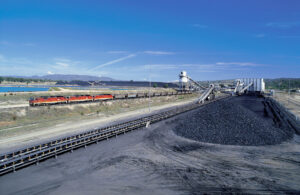 When a coal mining company approached us about taking a ~$1B Contract Mining Services package to market, it sounded like a straightforward task. But as we dug deeper, a startling pattern emerged.
“How many times has this package been taken to market?” we asked.
“Six times in eight years,” they admitted.
“What’s the holdup?”
“Every time, the JV partner wouldn’t approve it.”
“Why not?”
A long pause. “We’re not sure.”
That was the beginning of our 7 R Framework.
We need a framework to help small to mega projects and their vast group of stakeholders with a way to step back first before rushing ahead due to the pressure of the projects.
Using the framework, we shifted the focus from rushing to market to understanding why approval had stalled. Through collaborative inquiry and analysis, we uncovered and resolved the underlying issues that had plagued the process for nearly a decade.
The result? Months shaved off the timeline, hundreds of thousands saved in consulting fees, and millions spared for contractors who no longer had to repeatedly respond. Beyond the numbers, this also rebuilt trust with key contractors—a critical asset for future projects.
Key Takeaway:
In complex projects, asking the right questions and addressing root causes can unlock significant time, cost, and relationship savings.
It’s not just about pushing through processes; it’s about understanding why they’ve stalled in the first place.
Let’s dig into the framework to understand what it is and how and when to apply it.
The 7 R Framework:
The “7 R Framework” is a strategic tool that focuses on seven critical areas of risk. By addressing these risks early in the tender process, miners can streamline approval processes, select the best contractors, and establish optimal commercial structures. This framework ultimately leads to projects being delivered safely, on time, and within budget. Let’s delve into each of the seven risks:
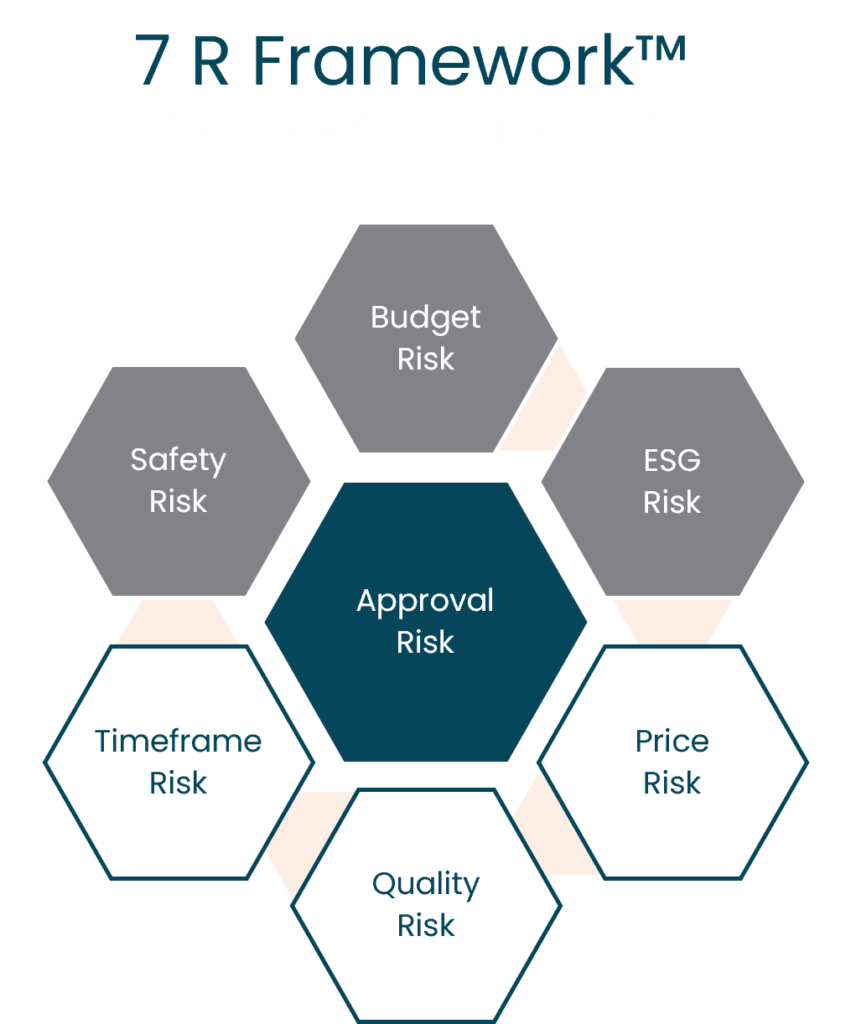
Approval Risk:
Ensuring all necessary approvals are obtained promptly is crucial. Delays in approvals can halt project progress, causing significant setbacks. The framework emphasizes early identification of required approvals and proactive management to avoid bottlenecks.
Budget Risk:
Budget overruns can derail even the most well-planned projects. This framework asks questions to address, for example, the risk of the budget changing due to unforeseen circumstances.
Safety Risk:
Safety is paramount in the mining industry. The framework involves assessing the safety exposure for each work package and asking specific questions to ensure that suppliers have adequate support to minimize or eliminate these risks.
ESG Risk:
Environmental, Social, and Governance (ESG) factors are increasingly important. The framework incorporates ESG considerations to identify risks related to sustainability and social responsibility, ensuring projects meet regulatory requirements and community expectations.
Price Risk:
Fluctuations in material and labour costs can impact project viability. The framework supports a better understanding of how volatile the market is and helps determine the appropriate risk mitigation approach.
Quality Risk:
Quality issues can lead to rework and delays. The framework helps identify how critical the quality or specifications are for each work package to then determine the level of evaluation required and the flow on impacts to timeframes.
Timeframe Risk:
Delays in project timelines can be costly. The framework helps to identify elements through the tendering process and contract execution that could potentially hold everything up, such as negotiating terms or long lead time items.
How to Use the 7 R Framework:
To effectively use the 7 R Framework for each work package, follow these steps:
1) Go through each of the 7 risk areas:
Systematically review each of the seven risks: Approval, Budget, Safety, ESG, Price, Quality, and time frame.
2) Identify the risks:
For each risk area, identify specific risks that could impact the work package. This involves analyzing past project data, consulting with stakeholders, and assessing current project conditions.
3) List mitigating activities (or activities to validate the risk):
Develop a list of activities to mitigate the identified risks. These activities may include specific actions, strategies, or processes designed to reduce or eliminate the risks.
If the risk is uncertain, list activities to validate the risk, such as conducting additional research, engaging with experts, or performing tests.
4) Create a plan for each Work Package being tendered:
Develop a detailed plan outlining how each identified risk will be managed throughout the tender process. This plan should include timelines, responsibilities, and specific actions to be taken.
Key Benefits:
1) Streamlines the end-to-end tendering process:
The framework can reduce the overall tendering timeline to a fraction of the traditional process.
2) Facilitates easier approval for the procurement strategy:
With a clearly spelled out plan, gaining approval for the procurement strategy becomes more straightforward.
3) Simplifies the evaluation of supplier bids:
The list of questions and criteria for evaluating suppliers is considerably reduced, making the process more efficient.
Conclusion:
Miners who adopt the “7 R Framework” can significantly enhance their tender processes, leading to faster project stand-ups and better overall outcomes. By systematically addressing approval, budget, safety, ESG, price, quality, and timeframe risks, this framework ensures a comprehensive approach to risk mitigation. The result is a more efficient tender process, optimal contractor selection, and projects that are delivered safely, on time, and within budget.
Final Thoughts:
The mining industry is under constant pressure to improve efficiency and reduce risks. The “7 R Framework” provides a simple yet effective solution for achieving these goals. By integrating this framework into their tender processes, miners can navigate the complexities of project management with greater confidence and success.

Procurement: The Missing Link to Project Success
Every year, Australian infrastructure projects lose millions to preventable procurement mistakes—are you at risk?
For senior project managers, the hidden danger isn’t just in unforeseen delays or cost blowouts. It often lies in a poorly equipped procurement function.

FREE Checklist:
Commercial & Procurement Readiness for Projects
Struggling to keep your project on track? Our Commercial & Procurement Readiness Checklist gives you the clarity and confidence to avoid costly mistakes.
Streamline planning, approvals, and supplier engagement so you can deliver on time and within budget.
Download it now and set your project up for success!

Your Partner in Procurement for Australian Infrastructure Projects
Our team brings over 15 years of experience in procurement, with strong commercial and operational expertise.
We help clients navigate complex infrastructure projects by identifying risks early, optimizing contracts, and aligning procurement with project goals.
Our hands-on experience ensures smarter decisions, reduced costs, and better outcomes—every time.