Story: The Mining Project without Rail Capacity
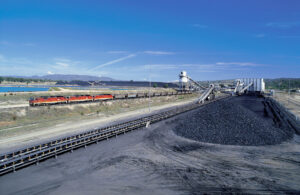 An Australian coal mining company, expanding production, needed additional rail capacity to transport the increased output. However, a flawed procurement process resulted in a take-or-pay agreement that secured less capacity than required, with no provisions for production variability.
This misstep left the company with an expensive dilemma:
a) Halt mining operations for an entire month each year, costing $1M per day in lost production, or
b) Renegotiate with the rail provider, who, fully aware of the company’s lack of alternatives, held all the negotiating power.
This costly error underscores the importance of robust procurement processes to align contracts with operational needs.
The Financial Consequences
Every poor procurement decision is like adding another hole to a leaky budget bucket. The more holes there are, the harder it becomes to keep the project afloat. These hidden costs can quickly spiral out of control:
- Paying inflated prices for materials or services due to a lack of effective negotiation or market analysis.
- Escalating costs from poorly structured contracts that fail to manage risks, price adjustments, or timelines.
- Missed opportunities for savings through bulk purchasing, economies of scale, or strategic supplier partnerships.
- Costly delays are caused by selecting unqualified vendors or failing to anticipate supply chain issues.
Without strong procurement practices, budgets are drained, and projects suffer.
Disruptions to Operations
When procurement doesn’t align with operations, it’s like driving a car with a misaligned gearbox—progress becomes slow, inefficient, and risks total breakdown. Missteps in procurement can lead to:
- Ordering incorrect materials that don’t meet project specifications, causing costly rework and delays.
- Failure to secure timely deliveries, halting work and disrupting construction schedules.
- Overreliance on unreliable suppliers, increasing the risk of last-minute shortages or quality issues.
- Poor communication between procurement and operations, leading to misaligned priorities and wasted resources.
Effective procurement ensures seamless operations, avoiding disruptions that can derail project timelines and performance.
The Emotional Toll
Poor procurement decisions don’t just impact finances—they create stress, frustration, and long-term consequences for teams and organizations. Consider:
- Delays to project timelines: What’s the emotional and financial cost of delaying your project by six months, especially when interest rates are rising?
- Reputational damage: How will budget blowouts affect your company’s credibility, stakeholder trust, and future funding opportunities?
- Pressure on teams: Constant firefighting to resolve procurement missteps leads to burnout, reduced morale, and declining productivity.
- Frustrated stakeholders: Broken promises and unmet deadlines erode confidence in leadership and project delivery.
Effective procurement reduces stress, builds trust, and ensures smoother project outcomes.

Procurement Readiness Checklist for Projects
Essential for aligning procurement with operations, it streamlines workflows, mitigates risks, and ensures projects stay on track and deliver value.

The 7 R Framework helps organisations streamline tenders, mitigate key risks, and ensure infrastructure projects are delivered safely, on time, and within budget.
